Classical ninjutsu techniques were never designed to look impressive. They weren’t built for public demonstration, rank testing, or admiration. They existed for one reason only: to keep someone alive, unseen, and adaptable in hostile conditions.
To understand them, you have to abandon the idea of ninjutsu as a single martial art. What existed historically was something quieter and far more practical—a body of skills transmitted through specific lineages, shaped by geography, politics, and necessity. These teachings lived inside ryūha, not manuals, and they evolved through lived experience rather than fixed doctrine.
Why Lineage Is the Key to Understanding Classical Ninjutsu
Ryūha Were Transmission Systems, Not Styles
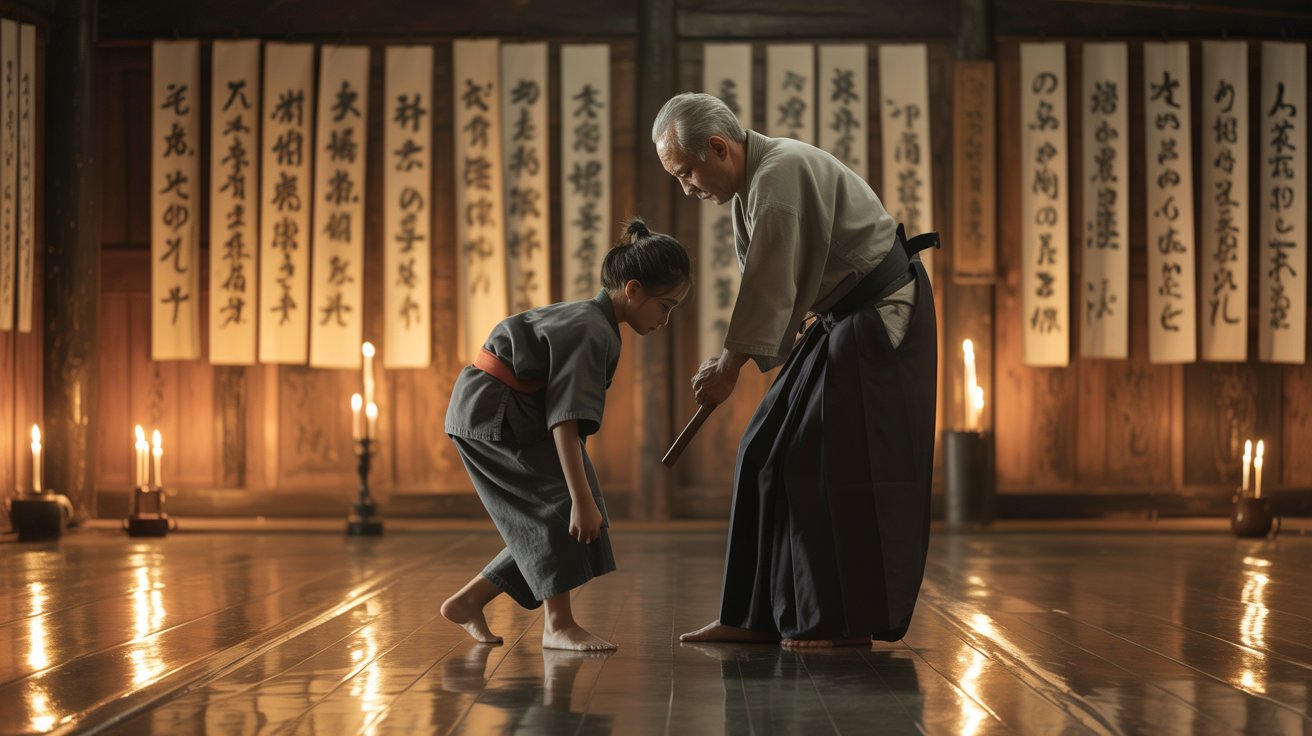
A ryūha wasn’t a brand or a syllabus. It was a continuity of knowledge, passed directly from teacher to student over generations. Techniques mattered, but principles mattered more—how to move without tension, how to read an environment, how to disappear before conflict became unavoidable.
In lineages associated with classical ninjutsu, skills were not isolated as “ninja-only.” They were integrated into broader martial frameworks that included movement, strategy, psychology, and survival planning. What made them distinct was intent, not choreography.
Why So Little Was Written Down
Most classical ninjutsu techniques were never fully documented. When written records existed, they functioned as reminders for those already trained, not instructions for outsiders. The most critical elements—judgment, timing, restraint—couldn’t be captured on paper.
This wasn’t secrecy for mystique. It was a practical safeguard. Knowledge that spreads too easily loses its edge.
Core Techniques Shared Across Classical Lineages
Despite regional differences, certain principles appear again and again when studying classical ninjutsu traditions.
Movement Designed for Survival, Not Performance
Taijutsu in this context wasn’t about winning fights. It was about moving naturally under pressure:
-
Maintaining balance on unstable ground
-
Stepping without sound
-
Lowering the body without tension
-
Falling and recovering without drawing attention
Every movement served the same purpose: reduce risk, conserve energy, and avoid notice.
Combat as a Last Resort
When violence occurred, it was brief and decisive. Classical ninjutsu techniques favored:
-
Breaking balance rather than trading blows
-
Targeting structure over strength
-
Creating openings for escape, not dominance
The priority was always disengagement. Prolonged conflict increased exposure, and exposure meant failure.
Where Lineages Began to Diverge
Geography Shaped Technique
Mountain-based lineages emphasized:
-
Vertical movement and climbing
-
Rope work and body control
-
Endurance in cold, wet environments
Lineages closer to towns or trade routes focused more on:
-
Observation and timing
-
Social blending and disguise
-
Gathering information without suspicion
These were not stylistic preferences. They were adaptations to environment.
Clan-Specific Operational Skills
Some lineages specialized in intelligence transmission—how information was gathered, hidden, and passed on. Others focused on counter-intelligence, misinformation, or escorting individuals through dangerous territory.
This is why searching for a universal list of classical ninjutsu techniques always leads to confusion. They were never meant to be universal.
Why Lineage Still Matters Today
Koryū vs Modern Interpretation
Classical ninjutsu techniques existed within koryū traditions, meaning they predate modern martial standardization. They were not competitive, not sportive, and not optimized for public teaching.
Modern systems may borrow terminology or outward movement, but without lineage continuity, the context that gives those techniques meaning is gone.
Signs of Inauthentic Representation
Claims that raise immediate concern include:
-
“Secret techniques revealed”
-
Rapid mastery promises
-
Combat effectiveness guarantees
Traditional training emphasized patience, discretion, and long-term refinement. Anything framed as instant or spectacular runs counter to how these teachings were preserved.
Studying Classical Ninjutsu Techniques Responsibly
What Authentic Study Looks Like Today
Responsible study is less about reenactment and more about principle-based understanding:
-
Situational awareness
-
Emotional control under uncertainty
-
Strategic decision-making
The techniques were tools. The mindset was the real transmission.
Preservation Over Performance
Those who approach classical ninjutsu with respect tend to focus on history, context, and personal discipline rather than imitation. The goal isn’t to look like a ninja—it’s to understand how people once solved problems when failure meant disappearance or death.
Questions People Ask—But Rarely Get Straight Answers To
Were classical ninjutsu techniques mainly about fighting?
No. Fighting was avoided whenever possible. Movement, concealment, and intelligence were far more important.
Are there complete manuals that explain everything?
No. What survives in writing is fragmentary by design.
Can these techniques still be useful today?
Yes—especially in awareness, adaptability, and risk assessment. Not as fantasy combat systems.
Were ninja separate from samurai?
The division is exaggerated. Historically, roles overlapped far more than popular culture suggests.
Products / Tools / Resources
-
Historical texts and translations on Japanese martial traditions
-
Academic research on koryū transmission systems
-
Documentaries focused on premodern Japanese warfare and intelligence
-
Training in traditional movement arts that emphasize balance and awareness
- Accredited online training and ranking courses