If you’ve ever searched for Bujinkan Ninjutsu, you’ve probably noticed two extremes. On one side, dramatic ninja imagery straight out of movies. On the other, skeptics dismissing it as outdated or impractical. The truth lives somewhere quieter—and far more interesting—between those extremes.
Bujinkan Ninjutsu is a living Japanese martial tradition. It isn’t a sport. It isn’t choreography. And it isn’t built to impress spectators. It’s about learning how to move naturally, stay aware, and protect yourself in situations that don’t follow rules.
What Bujinkan Ninjutsu Actually Is
At its simplest, Bujinkan Ninjutsu is a system of self-protection rooted in classical Japanese martial lineages. The organization, called the Bujinkan, preserves teachings passed down through centuries of warriors who lived in a very different world—one where survival depended on awareness, timing, and adaptability rather than strength or athleticism.
The term ninjutsu doesn’t mean “ninja fighting.” It refers to a broad skill set that includes movement, strategy, perception, and survival. Training reflects that breadth. Instead of chasing techniques, students learn principles—how balance breaks, how distance shifts, how intent reveals itself.
Where Bujinkan Comes From
The modern Bujinkan was founded by Masaaki Hatsumi, who inherited nine traditional martial schools from his teacher, Toshitsugu Takamatsu. Some of those schools come from samurai traditions, others from ninjutsu lineages. Together, they form the technical and philosophical backbone of Bujinkan practice.
Hatsumi’s approach moved away from rigid imitation. Rather than preserving techniques like museum pieces, he emphasized feeling and adaptability. That mindset still defines Bujinkan training today, both in Japan and internationally.
What Training Feels Like as a Beginner
Most beginners expect complexity. What they encounter instead is simplicity that feels strangely difficult.
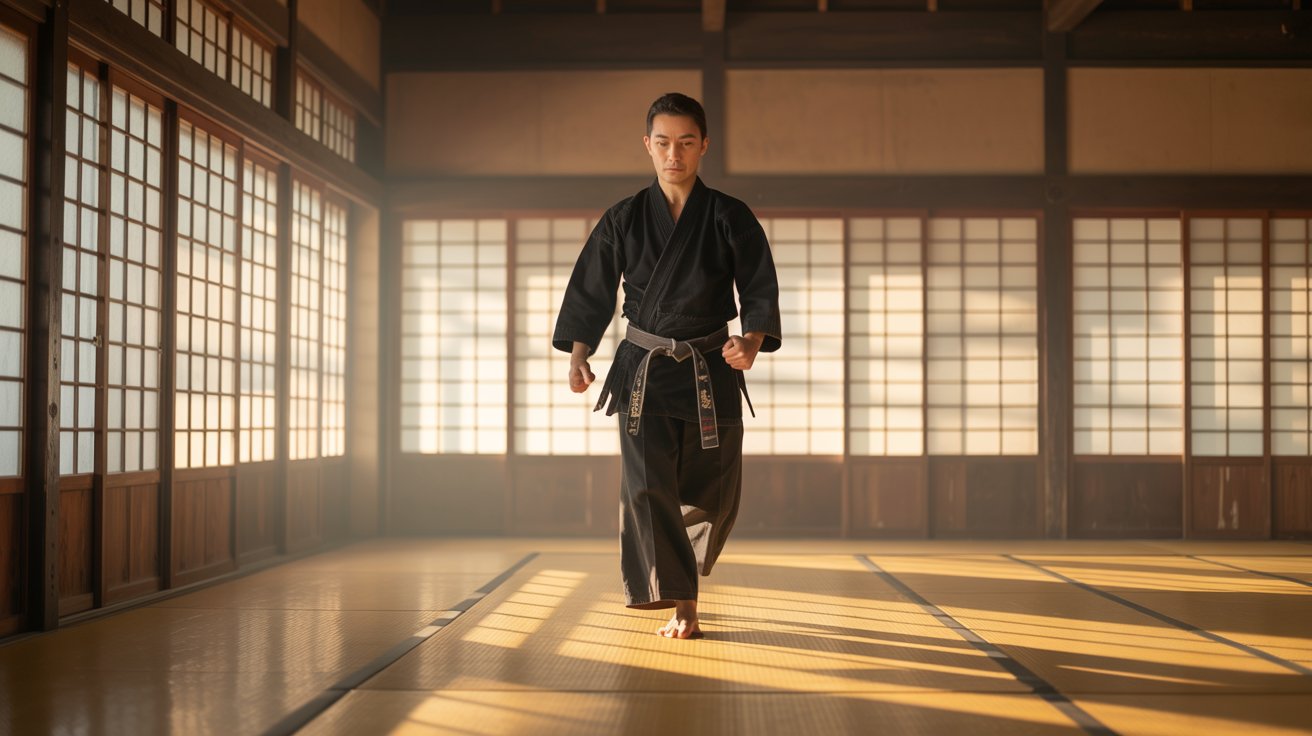
Early classes focus on posture, balance, and movement. You’ll spend time learning how to stand, how to step, how to receive force without resisting it. Partner training is cooperative at first, not competitive. The goal is understanding, not dominance.
Progress can feel slow—especially if you’re used to martial arts with clear drills and measurable milestones. But over time, subtle changes appear. Movement becomes lighter. Reactions become calmer. You start noticing things earlier.
How Classes Usually Work
Bujinkan classes are typically partner-based. One person attacks, the other responds, and the exchange flows back and forth. Techniques aren’t drilled endlessly. Instead, they’re explored. Adjusted. Felt.
Safety comes from awareness rather than rules. Strikes are controlled. Locks are applied carefully. Trust matters. Ego gets in the way quickly.
Ranks, Belts, and Progression
Bujinkan uses a Kyu and Dan ranking system, but rank doesn’t carry the same meaning it does in competitive arts. Advancement isn’t about passing a checklist. It’s about overall movement quality, awareness, and understanding.
Higher rank doesn’t mean invincibility. It means responsibility—to train sincerely and teach honestly.
Weapons and Why They Matter
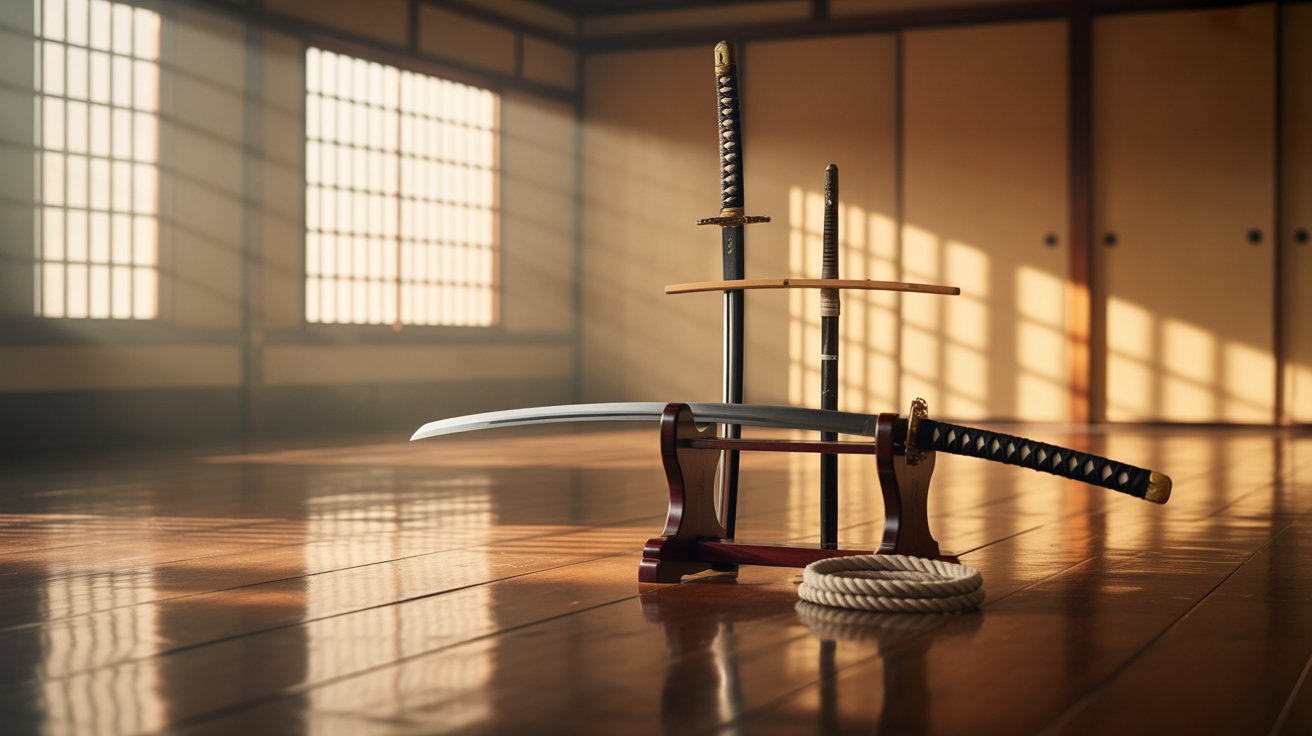
Weapons training is part of Bujinkan, but not for spectacle. Sword, staff, and knife work teach distance and intent in ways empty-hand practice can’t. Weapons sharpen awareness. They make mistakes obvious.
Importantly, weapons aren’t treated as special tools. They’re extensions of movement. Lessons learned with a sword carry directly into unarmed practice.
The Deeper Philosophy
Bujinkan isn’t about seeking fights. It’s about avoiding unnecessary harm. Practitioners are encouraged to remain adaptable, calm, and ethically grounded.
Strength fades. Speed slows. Awareness endures.
That philosophy is why many people find Bujinkan later in life—and stay with it.
Finding the Right Dojo
Because Bujinkan is decentralized, quality varies. A good dojo feels calm, grounded, and patient. There’s no rush to rank. No mystical sales pitch. Just steady practice.
If something feels exaggerated or theatrical, it probably is.
Online Learning vs. Real Training
Videos can inform, but they can’t replace touch. Timing, balance, and pressure are felt, not watched. For real progress, in-person training matters.
Is Bujinkan Ninjutsu Effective?
It depends on what you want. If you want competition or fitness-focused intensity, look elsewhere. If you want a system built around uncertainty, awareness, and long-term personal development, Bujinkan offers something rare.
Products / Tools / Resources
-
Traditional training uniforms (keikogi)
-
Wooden practice weapons (bokken, hanbō)
-
Books by Masaaki Hatsumi
-
Reputable Bujinkan dojo directories
-
Seminar recordings from licensed instructors
- Accredited online Bujinkan training course.