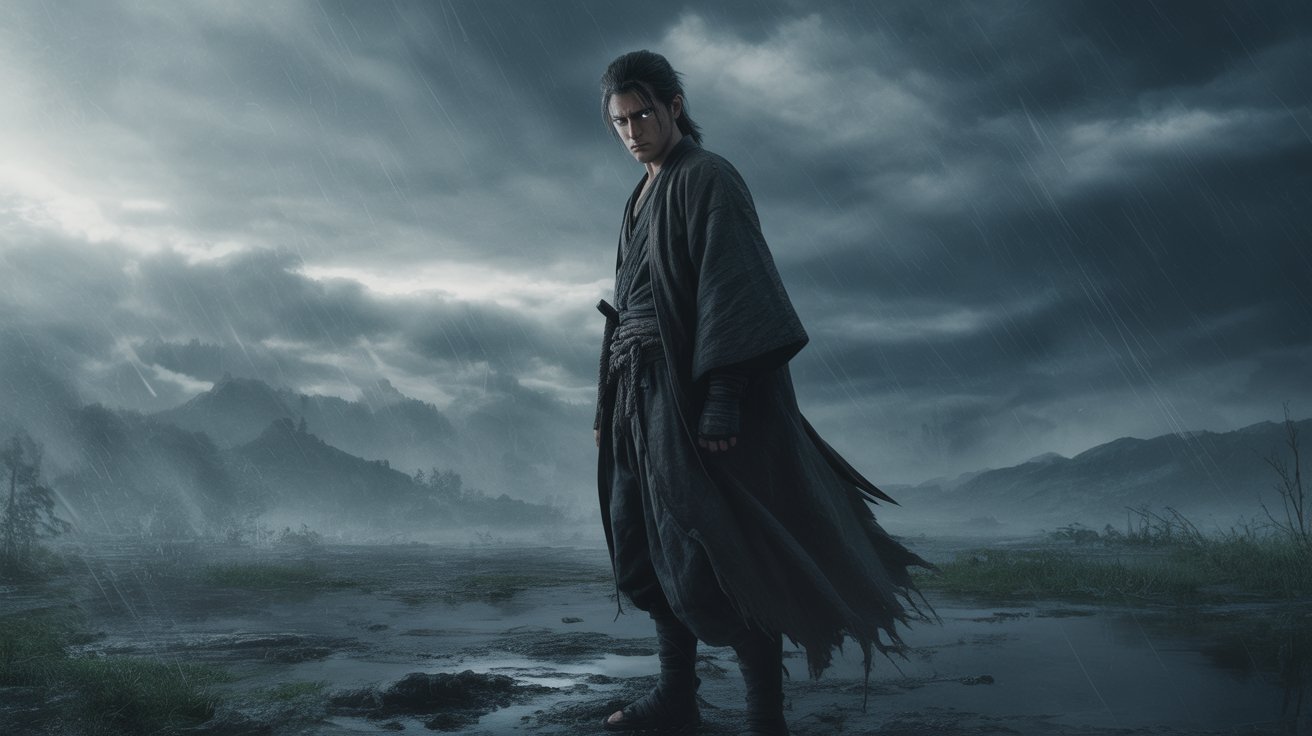
Ninjutsu was never meant to be flashy. It wasn’t built for applause, trophies, or heroic stories told around a fire. It was built for people who lived in the cracks of society—where rules changed fast, trust was dangerous, and survival mattered more than honor.
That’s what most people miss.
At its heart, ninjutsu is a way of thinking. A mental operating system designed for instability. The shinobi didn’t try to control the world. They learned how to move through it without being crushed by it.
And that’s exactly why this philosophy still works.
What the Ninjutsu Mindset Actually Is
Forget the masks and myths. The ninjutsu mindset is about not becoming predictable—to others or to yourself.
Shinobi understood something most people still struggle with: strength attracts resistance. Visibility invites pressure. Ego creates enemies. So they optimized for something quieter—freedom.
They trained themselves to respond instead of react. To observe before acting. To let situations reveal themselves before making a move. Control didn’t come from dominance. It came from awareness.
Adaptability Was Their Real Weapon
Rigid systems feel safe until they snap.
Ninjutsu was built on the opposite assumption: everything changes. Plans fail. Allies disappear. Environments shift. So the shinobi trained to let go—fast.
They didn’t cling to techniques or identities. If something stopped working, it was abandoned without regret. That level of flexibility made them nearly impossible to trap.
Why Survival Mattered More Than Winning
A shinobi who “won” a fight but exposed themselves created future danger. So ninjutsu reframed success.
Escape was success. Avoidance was success. Staying alive without drawing attention was success.
That mindset alone eliminates countless unnecessary conflicts—then and now.
The Mental States That Kept Them Alive
Mushin wasn’t mystical. It was practical. When fear and ego disappear, perception sharpens. Decisions get cleaner. Movements stop hesitating.
Zanshin kept them from relaxing too soon. Awareness stayed on, even after danger passed.
And kuji wasn’t magic—it was mental discipline. Breath, posture, and attention aligning so emotions didn’t hijack judgment.
Invisibility Was Psychological First
True invisibility means people can’t read you.
If they can’t predict you, they can’t manipulate you. If they can’t provoke you emotionally, they can’t control your actions. Shinobi trained to minimize tells—emotional spikes, habitual responses, predictable opinions.
Silence wasn’t emptiness. It was protection.
How This Mindset Applies Now
Most modern stress comes from reaction. We’re pulled by outrage, urgency, and ego. The ninjutsu mindset interrupts that cycle.
You pause. You observe. You decide.
Not every argument needs your voice. Not every challenge needs your strength. Sometimes the most powerful move is stepping sideways while others rush forward.
Why This Philosophy Still Cuts Through Noise
Chaos hasn’t disappeared—it’s just louder.
Those who can stay calm, flexible, and emotionally unreadable still have the advantage. Not because they overpower others—but because they aren’t pulled off balance.
That’s the quiet power of the ninjutsu mindset.
Products / Tools / Resources
-
Traditional ninjutsu texts and translations
-
Mindfulness and breath-control training tools
-
Situational awareness and observation drills
-
Minimalist journaling for self-monitoring patterns