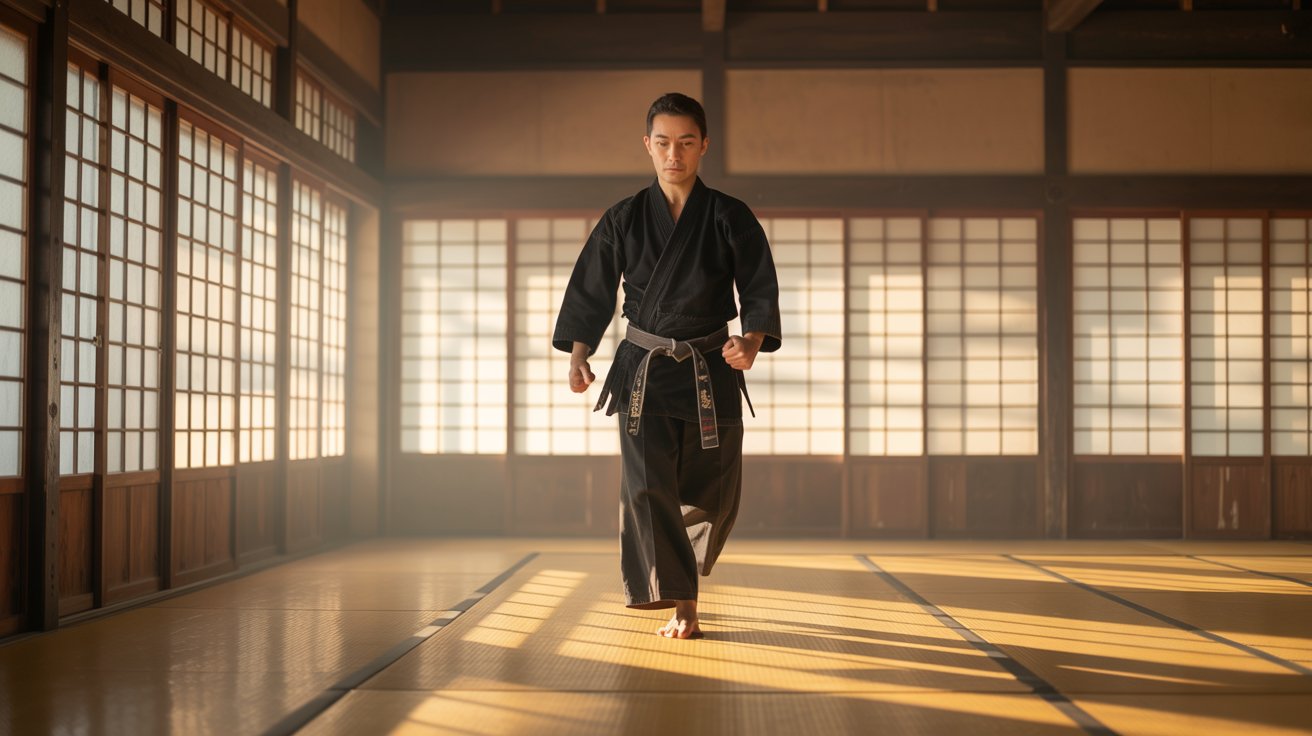
Most people come to ninjutsu with an image already formed in their head. Dark clothing. Exotic weapons. Instant stealth. That image fades quickly once real training begins—and that’s a good thing.
True ninjutsu was never about looking impressive. It was about staying alive, staying unnoticed, and staying adaptable in situations that offered no guarantees. For beginners, this realization is often the first real lesson.
This isn’t a martial art you rush. It’s one you grow into.
The Gap Between Expectation and Reality
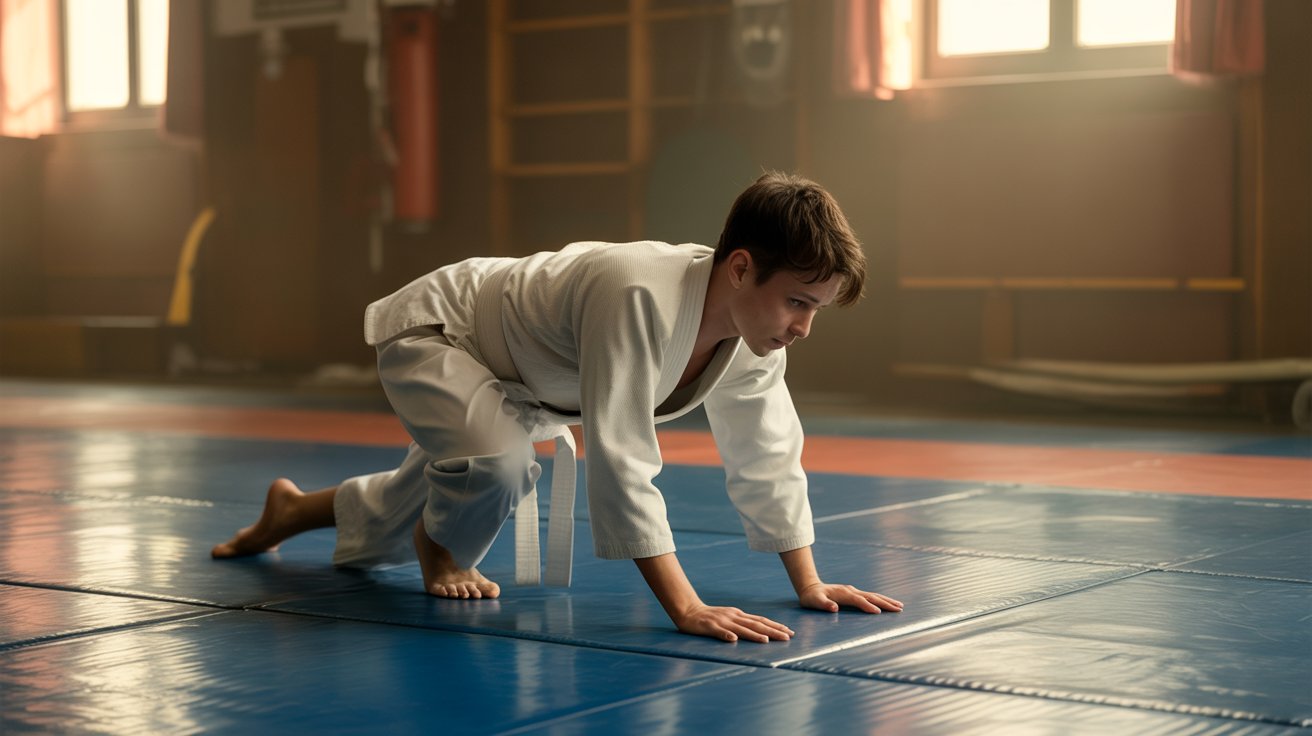
Beginners often expect action. What they encounter instead is stillness. Walking drills. Balance work. Falling safely. At first, it feels almost too simple.
Then something shifts.
You start noticing how you stand. How you move through crowds. How tension shows up in your shoulders or breath. Ninjutsu doesn’t shout its lessons. It whispers them until you’re paying attention.
Learning the Shinobi Way of Thinking
Ninjutsu trains the mind as much as the body. You’re taught to adapt instead of clash, to reposition instead of resist. Strength helps, but awareness wins.
For beginners, this is liberating. You don’t need to be bigger, younger, or stronger. You need to be present. Calm. Observant.
That mindset slowly carries into everyday life—how you respond to stress, how you make decisions, how you recover when things don’t go as planned.
Building a Body That Moves, Not Breaks
Ninjutsu bodies aren’t rigid. They’re fluid.
Beginner training protects joints and emphasizes mobility. Ankles learn to rotate smoothly. Hips learn to carry weight without strain. The spine learns to move instead of lock up.
Strength develops quietly. Balance improves. Coordination sharpens. You feel capable without feeling bulky or tense.
A Simple Daily Practice That Actually Works
You don’t need hours. Fifteen focused minutes can change everything.
Start with breathing and posture. Add slow, deliberate walking. Practice rolling or lowering yourself safely to the ground. Move with intention, not speed.
Week by week, these small efforts compound. Progress shows up in how natural movement feels—not how dramatic it looks.
Weapons, Timing, and Patience
Weapons come later. Always later.
Beginners learn first how to control distance, timing, and leverage. Sometimes with nothing in their hands. Sometimes with everyday objects. The lesson is always the same: tools amplify ability—they don’t create it.
A good instructor won’t rush this stage. Neither should you.
Choosing the Right Teacher
If someone promises mastery fast, walk away.
Real ninjutsu teachers focus on safety, fundamentals, and longevity. They correct gently. They encourage patience. They don’t sell fantasy.
Online resources can help, but nothing replaces experienced eyes watching your movement and guiding small adjustments that make big differences.
Where the Path Leads
Ninjutsu doesn’t announce progress. It reveals it quietly.
You notice you’re calmer under pressure. More aware of your surroundings. Less reactive. Movement feels smoother. Confidence grows without arrogance.
For beginners, that’s the real reward. Not becoming something new—but uncovering control you didn’t realize you already had.
Products / Tools / Resources
-
Beginner-friendly tatami or exercise mats for safe rolling practice
-
Mobility tools such as resistance bands and light wooden staffs
-
Reputable ninjutsu books and recorded seminars from established instructors
-
Local dojos or martial arts schools with verified ninjutsu lineage
- Reputable ninjutsu online training courses.