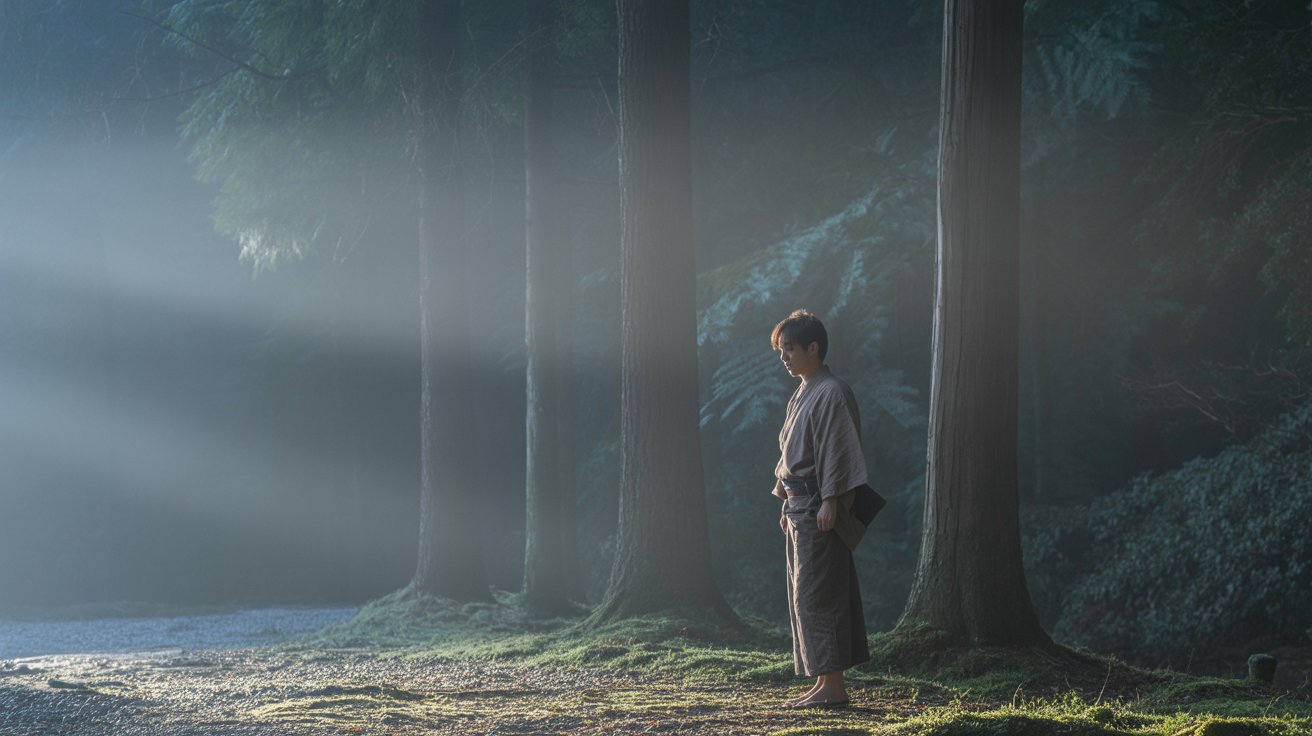
When most people hear the word ninja, a familiar image snaps into place—black clothing, silent rooftops, smoke bombs, and impossible acrobatics. It’s cinematic. It’s dramatic. And it’s almost entirely wrong.
Authentic ninjutsu techniques were never designed to look impressive. They were designed to work—quietly, efficiently, and without drawing attention. Ninjutsu was not a performance art. It was a survival system shaped by necessity, environment, and psychology.
To understand what real ninja actually trained, you have to let go of fantasy and step into a world where success meant staying alive, staying unnoticed, and returning home.
What “Authentic Ninjutsu” Really Means
Authentic ninjutsu is not a collection of secret strikes or exotic weapons. It is a method of thinking and moving—a way of navigating danger when strength, numbers, or authority are not on your side.
Historically, ninjutsu focused on three priorities:
-
Avoiding unnecessary conflict
-
Gathering and protecting information
-
Preserving one’s life under unpredictable conditions
In this context, techniques were never isolated tricks. They were expressions of broader principles—timing, positioning, awareness, and restraint.
Historical Meaning vs Modern Confusion
In feudal Japan, ninjutsu existed alongside samurai traditions, not in opposition to them. Ninja were not mythical assassins. They were specialists trained to operate where conventional methods failed.
Modern interpretations often mistake visibility for effectiveness. Authentic ninjutsu values the opposite. The highest level of success was leaving no trace at all.
How Secrecy Gave Birth to Myth
Because ninjutsu relied on secrecy, much of its knowledge was transmitted privately, within families or closed schools. Over time, silence created space for speculation. What was never shown became exaggerated. What was never explained became supernatural.
The reality is quieter—and far more sophisticated.
The Historical Roots of Real Ninjutsu
Authentic ninjutsu emerged in regions where adaptability mattered more than status.
Iga and Kōga: Function Over Form
The mountainous areas of Iga and Kōga produced practitioners who relied on terrain, timing, and cooperation rather than brute force. Their skills developed out of necessity, not ideology.
These were people who had to survive in unstable political climates, often without protection or rank.
Ninjutsu’s True Role in Feudal Japan
Ninja were not lone killers. They were observers, messengers, scouts, and survivors. Their success depended on intelligence and discretion, not domination.
Combat was always the last option.
Transmission Through Classical Schools
Authentic ninjutsu techniques were preserved through classical ryūha—lineages that valued continuity over exposure. This is why legitimacy today is measured less by claims and more by traceable instruction.
Core Authentic Ninjutsu Techniques
Rather than dramatic techniques, ninjutsu focused on developing adaptable human capability.
Taijutsu: Natural Movement Under Pressure
At the heart of authentic ninjutsu is taijutsu—the art of natural body movement. Instead of rigid stances, practitioners learned to move fluidly, maintaining balance while disrupting the balance of others.
Efficiency mattered more than power. Subtle shifts replaced force.
Stealth as Awareness, Not Invisibility
Stealth in ninjutsu was not about disappearing. It was about not standing out.
Practitioners trained to move with the environment—matching sound, light, and rhythm. True concealment was psychological: blending in, not slipping away.
Strategy, Timing, and Deception
Authentic ninjutsu placed enormous emphasis on decision-making. Knowing when not to act was often more important than acting at all.
Timing, misdirection, and patience allowed practitioners to avoid danger rather than confront it.
Survival and Escape Skills
Survival training ensured independence. Authentic ninjutsu techniques included navigation, escape methods, endurance training, and mental resilience—skills designed to function when plans failed.
Weapons in Traditional Ninjutsu
The image of specialized ninja weapons is mostly a modern invention.
Tools Before Weapons
Historically, ninja favored ordinary tools that served multiple purposes. The goal was adaptability and plausibility—nothing that would draw attention or suspicion.
Misunderstood Ninja Gear
Many so-called “ninja weapons” were later stylizations. Authentic training emphasized practicality, not symbolism.
How Authentic Ninjutsu Is Preserved Today
Only a few modern organizations maintain documented ties to historical ninjutsu lineages.
Bujinkan, Genbukan, and Jinenkan
These groups preserve ninjutsu as a living system rather than a frozen artifact. While approaches differ, the underlying principles remain consistent: movement first, ego last.
What Real Training Feels Like
Authentic training is subtle. Progress is slow. Beginners often spend long periods refining posture, balance, and awareness before touching advanced material.
For those expecting spectacle, this can be surprising. For those seeking depth, it is revealing.
How to Spot Fake Ninjutsu
Popularity breeds imitation.
Modern Red Flags
Be wary of claims promising instant mastery, secret techniques, or supernatural abilities. Authentic ninjutsu is grounded, patient, and often humbling.
What Authenticity Actually Looks Like
Real instruction emphasizes lineage, realism, and personal responsibility. The focus is growth, not image.
FAQs About Authentic Ninjutsu Techniques
Is authentic ninjutsu still useful today?
Yes. Its principles apply wherever awareness, adaptability, and restraint matter.
Do you need exceptional athleticism?
No. Ninjutsu prioritizes efficiency over strength.
Is ninjutsu like what’s shown in movies?
Not at all. The real art is quieter, subtler, and far more human.
Products / Tools / Resources
-
Classical ninjutsu texts translated by legitimate lineages
-
Training uniforms designed for unrestricted movement
-
Online seminars from established ninjutsu organizations
-
Books on Japanese martial history and strategy
-
Journals for training reflection and awareness development
- Legitimate online training courses